


This article was updated on January 20, 2026 with an up-to-date FAQ section.
In the sales world it is now a cliche that “coffee is for closers only.” But, what if coffee not only is for closers, but really for everyone in your inside sales team? What if it can put potential closers in a better mood and make them closers? Make them show up early for work in the first place? Increase performance?
“Closers” simply know that coffee is a secret sales weapon. Let’s look at some fun, helpful, and ultimately just plain interesting facts around coffee that your inside sales teams should definitely know…

10 true and fun facts about Coffee

1) It takes about 10 minutes for the effects of coffee to kick in after you take your first sip. While the effects of coffee are real and documented, some people believe it doesn’t so much “wake you up” as just get you “back to normal.” In our sleep-deprived culture, this may actually be the case, but however you define it, coffee does seem to get sales people operating at a level higher than they were before that first sip kicked in.
2) You can take a “coffee nap”, which will actually leave you more awake than either just coffee, or just a nap. Because of the time it takes to kick in, as well as the lag time before you’re in a deep sleep, 20 minutes has been determined as an ideal nap time to leave you awakened and refreshed after taking a big swig of coffee right before.
3) Which country drinks the most coffee? Based on the lines at your local coffee shop you may say whatever country you’re reading this in. If that country happens to be Finland, then you’re right. Also high on the list are Norway, Iceland, and basically all the Nordic countries.
Switzerland, which came in at #7 with 7.9 kg consumed per capita per year, has not only a healthy coffee habit, but also is responsible for a huge amount of the world’s coffee trading. “No less than two-thirds of the coffee traded worldwide, amounting to some 6 million metric tons, involves operations carried out either directly or indirectly – via Switzerland.”
4) The United States didn’t even crack the top 15 in the above poll (they were #16). One area, however, you’d think the U.S. might easily take home the prize in is “the most branches of Starbucks per capita.” However, the United States is 2nd with 41 (per capita). Monaco is actually #1 with 52.08.
5) Many artistic and scientific geniuses thrived on coffee. Beethoven and Proust, Glenn Gould and Francis Bacon, Jean-Paul Sartre and Gustav Mahler, all had in common a predilection for coffee as an artistic crutch and muse. And they are of course not the only ones. According to one estimate, the writer Balzac drank as many as 50 cups a day!
All of these artists discovered the same thing, which is that caffeine “aids focus and attention, wards off sleepiness, and speeds the refresh rate on new ideas—with only minimal drawbacks. And the ritual of preparing coffee serves for many as a gateway to the creative mood.”
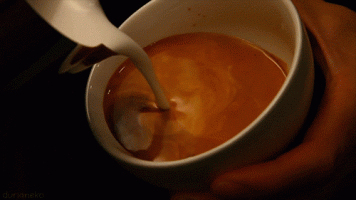
6) Who first discovered coffee? No, it wasn’t Tommy Starbuck or Billy Folgers. It was a 9th century Ethiopian goatherd named Kaldi. He observed his goats acting differently after they had eaten the berries from a Coffea arabica tree. He tried it himself and noticed the stimulating effects.
Now it’s speculated that coffee beans had long been chewed on by people for many centuries past, but when Kaldi shared the effects of the beans with a local monastery, the practice became more widespread and he (and his goats) get the credit.
7) Coffee is believed to prevent some diseases. It is shown to have positive effects in areas ranging from depression to colon cancer, and even Alzheimer’s. Of course, consult a physician for any medically sound advice in these areas, rather than depend solely on extra cups of coffee to treat or prevent serious diseases!
8) For interesting facts about coffee, go no further than Guinness Book of World Records, which offers some of these amazing stats (Side-note: Some of these records may even be eclipsed by the time you read this, coffee drinkers tend to be ambitious and active):
- The largest cup of coffee is in South Korea, and holds 3,758 gallons of coffee!
- The longest journey by a coffee-powered car was by a 1988 Volkswagen Scirocco, which went 209 coffee-powered miles in March 2010. It was nicknamed “Car-puccino,” by Guinness, and traveled one mile for every 56 espressos. It could even go 60 miles per hour, which is how fast some sales reps talk after their 3rd cup.
- The largest collection of coffee pots goes to a German man named Robert Dahl. As of the time of his record he owned 27,390 pots. Based on the fact that he’s probably awake 23 hours a day we’re guessing he’s added to that since. If you’re in any type of coffee-related sales it may pay to have him on speed dial.
9) While some of these interesting facts around coffee are definitely, well, “interesting,” there are some that are actionable as well! For example, a Business Insider article points out that 38% of workers believe they can’t live without coffee. You certainly want your inside sales team to be at the very least alive while they’re working, right? [Here are some other tips on how to motivate your sales team for success and more deals closed!]
65% of workers drink coffee while they’re working, on average 3 cups a day, and for the small amount of cost, the boost in morale and the positive workplace culture it helps foster make it seem to be a more than worthwhile investment.
10) Another actionable, in addition to interesting, fact around coffee, is that caffeine is proven to improve certain metrics of athletic and cognitive performance, and is even used in Ironman competitions to provide an advantage.
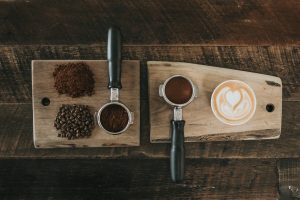
According to Science Direct, depending on how much coffee you have, you can actually reduce symptoms of tension and anxiety. Nervous about a sales call? Grab a cup of coffee! Just not 12, however. Essentially, caffeine can increase performance to a certain point, at which point it begins to produce diminishing returns and swings in the opposite direction.
The jury is still out, however, on certain returns for memory, decision-making, and judgement, so coffee definitely shouldn’t be looked at as a miracle cure-all in those regards.
Overall, you can see that while coffee may be for closers, it may also make the closer a closer to begin with, so don’t be afraid to give your inside sales team a little morale-boosting caffeine with all of this in mind!
Frequently Asked Questions
- Do coffee naps work?
- What are the downsides?
- Is office coffee worth it?
- How much caffeine is recommended daily?
- When should sales reps drink coffee?
- Does caffeine boost focus?
- Which countries drink the most coffee?
Do coffee naps work?
Yes; drinking coffee and immediately napping for 15-20 minutes can improve alertness and task performance more than either alone.
Because caffeine takes a short time to take effect, you wake up as it “kicks in,” reducing sleep inertia and boosting vigilance for follow-up calls and demos. Use this strategically before afternoon prospecting blocks or after lunch, and limit the nap to avoid grogginess.
Tip: Pilot “coffee nap” breaks during slower periods to keep calling quality high.
What are the downsides?
Too much caffeine can trigger anxiety, restlessness, and poor sleep. This undermines sales performance, confidence, and next-day call quality.
Watch for creeping dose escalation from energy drinks and large brews, and consider cutoffs several hours before bedtime. Train managers to normalize breaks, hydration, and short walks as non-caffeine energy tools for long dialing blocks.
Tip: Pair caffeine hygiene with emotional resilience coaching for tough days.
Is office coffee worth it?
Yes—affordable, high-quality office coffee increases perceived productivity and focus for many employees, while supporting team morale and time-on-task.
Surveys show sizable portions of workers rely on coffee to get through the day, and convenient access reduces off-floor trips during peak calling windows. Offer lighter roasts plus decaf and set clear etiquette to keep queues short.
Tip: Bundle coffee perks with quarter-end enablement to maximize lift.
How much caffeine is recommended daily?
Most healthy adults can safely consume up to 400 mg of caffeine daily (roughly four small cups) while monitoring individual sensitivity.
Excess intake can cause jitters, faster heart rate, and sleep disruption that ultimately hurts quota-driving activities. Encourage reps to track their total caffeine across coffee, energy drinks, and supplements, and to taper by mid-afternoon to protect sleep.
Tip: Post a simple “mg per cup” chart near the machine so reps can self-regulate. See FDA guidance.
When should sales reps drink coffee?
Caffeine peaks about 15-45 minutes after drinking and has a ~5-hour half-life, so time cups before key call blocks and avoid late-day doses.
A small cup 20-30 minutes before a high-stakes demo can sharpen attention; another earlier in the afternoon may help a power hour, but late servings can impair sleep and next-day performance. Encourage water alongside coffee to prevent dehydration from long call sessions.
Tip: Add “prep coffee” to pre-call checklists for big meetings.
Does caffeine boost focus?
Moderate caffeine reliably improves attention, vigilance, and reaction time (especially when alertness is low) supporting better conversation flow and CRM accuracy.
Evidence across lab and occupational settings shows gains on simple and complex attention tasks, which can translate to steadier talk tracks and faster objection handling. Effects are dose-dependent and vary by individual; pair caffeine with clear call guides and quiet spaces for best results.
Tip: Use caffeine to “open the window,” then rely on coaching and process to close deals.
Which countries drink the most coffee?
Northern European nations, led by Finland, consistently top global per-capita coffee consumption, reflecting a deeply embedded workplace and cultural habit.
While total volume is highest in large economies, per-person intake is heaviest across Nordic countries, where coffee breaks are a normalized productivity ritual. Use this as a cultural cue: structured, brief breaks can refresh attention without derailing pipeline work.
Tip: Pilot short, scheduled “brew breaks” to reset energy without losing momentum.
>>We thought you might also like: 9 Creative Ways to Reward Your Sales Team for Success
