

Top 14 Salesforce ISV Solutions for Marketing Operations Management (2026)
B2B go-to-market teams are still juggling too many disconnected tools.
The result is familiar.
Dirty data. Slow routing. Weak attribution. Sales teams missing buying signals. Marketing teams struggling to prove impact.
The right Salesforce ISV stack can fix a lot of this.
It helps marketing operations teams move faster, clean up CRM data, improve handoffs, and give sales teams better context.
This guide focuses on Salesforce ISV solutions marketing operations leaders can use in 2026 to improve lead management, data quality, attribution, routing, and sales and marketing alignment.
At SalesWings, we see this every day.
When behavioral data, scoring, routing, and CRM governance work together, revenue teams stop guessing.
They act on intent.
See how top GTM teams track buyer intent
Practical insights on next-best action for sales, marketing and AI teams.
TL;DR: Best Salesforce ISV tools for marketing operations in 2026
Short on time?
Start with these three.
- SalesWings — behavioral intelligence, lead scoring, account scoring, and sales insights for Salesforce
- LeanData — lead-to-account matching and routing for complex GTM teams
- FormAssembly — secure, Salesforce-connected forms and data collection
How we selected these Salesforce ISV tools
We focused on Salesforce-first tools with strong relevance for marketing operations.
Each solution was reviewed for:
- Salesforce integration depth
- Impact on speed-to-lead and lead quality
- Usefulness for MOPs and RevOps teams
- Admin control and governance
- Support for reporting and attribution
- Fit for B2B revenue teams
Salesforce ISV Solution Overview by Category
| Category | Recommended tools |
|---|---|
| Behavioral intelligence and scoring | SalesWings |
| Routing, matching, and scheduling | LeanData, Chili Piper, Traction Complete |
| Forms and lead capture | FormAssembly |
| Data quality and governance | Plauti, Cloudingo, Validity DemandTools, Openprise, Traction Complete |
| Attribution and performance | Full Circle Insights, PathFactory |
| Revenue data and enrichment | ZoomInfo |
| Automation and integration | Workato |
| Conversational engagement | Drift by Salesloft, Chili Piper |
Best Salesforce ISV Solutions for Marketing Operations in 2026
1) SalesWings — Behavioral intelligence, lead scoring, and sales insights for Salesforce

Deep Dive: SalesWings helps Salesforce teams turn raw engagement into clear buyer intent.
It tracks and interprets first-party behavioral data across websites, landing pages, and digital touchpoints.
Then it brings those insights into Salesforce.
That gives sales and marketing teams a shared view of who is engaged, what they care about, and when they may be ready for outreach.
For marketing operations, this solves a common problem.
Most teams have plenty of activity data.
They do not always have useful intent signals.
SalesWings bridges that gap with flexible behavioral tagging, lead scoring, account scoring, and Salesforce-native sales intelligence.
It can support lead prioritization, account engagement scoring, sales alerts, behavioral segmentation, Marketing Cloud activation, personalization, and sales and marketing alignment.
SalesWings is especially useful when your team wants better MQL quality without rebuilding the whole stack.
It complements your CRM, MAP, routing tool, and reporting setup.
It does not force a heavy re-platform.
That makes it a strong first choice for Salesforce-centric B2B teams in 2026.
Key Features
- Behavioral tagging mapped to buyer intent
- Lead and account scoring
- Salesforce-native sales insights
- Marketing Cloud activation
- Signals for routing, prioritization, and personalization
- First-party intent data for segmentation
- Guided onboarding and fast time-to-value
Best For: B2B teams that want to improve lead quality, prioritize engaged accounts, and give sales teams clearer buyer context inside Salesforce.
G2Crowd Profile: See latest SalesWings reviews on G2.
Pros
- Clear buyer intent signals inside Salesforce
- Strong fit for sales and marketing alignment
- Flexible scoring at lead and account level
- Useful for segmentation and personalization
- Fast implementation compared with larger platforms
- Complements existing MAP and CRM investments
Cons
- Best results require a clear behavior taxonomy
- Advanced attribution still needs thoughtful modeling
- Sales teams need enablement to act on intent signals
Why we picked SalesWings: SalesWings turns engagement into action.
That helps marketing improve MQL quality and helps sales focus on the right leads and accounts.
For 2026, first-party behavioral intent is no longer a nice-to-have.
It is a core layer of a modern Salesforce revenue stack.

Turn lead and account intent into pipeline
See how SalesWings helps sales, marketing and AI teams spot real intent and decide the next-best action for every lead and account.
2) LeanData — Lead-to-account matching and revenue orchestration
Deep Dive: LeanData is one of the best-known Salesforce ISV tools for matching and routing.
It helps teams connect leads to the right accounts, owners, territories, and buying groups.
Its visual routing canvas makes it easier to build and manage complex assignment logic without relying on brittle custom code.
For marketing operations, LeanData is valuable because routing affects everything downstream.
Speed-to-lead. Sales trust. SLA reporting. Pipeline attribution.
When routing is slow or wrong, conversion suffers.
LeanData helps reduce that risk.
It is best for teams with more than a basic round robin.
Key Features: No-code routing graph, lead-to-account matching, territory-aware routing, BookIt scheduling, SLA tracking, audit logs, and Salesforce-native controls.
Best For: Marketing operations and RevOps teams with complex routing rules, ABM motions, enterprise sales teams, and SLA-sensitive inbound programs.
G2Crowd Profile: See latest LeanData reviews on G2.
Pros: Strong matching depth, good logs, less custom routing logic, and strong fit for complex GTM structures.
Cons: Premium pricing, admin training needed, and graph governance is important.
Why we picked LeanData: Routing is a revenue-critical process.
LeanData gives MOPs and RevOps teams a durable way to manage it in Salesforce.

3) FormAssembly — Secure, Salesforce-connected forms at scale

Deep Dive: FormAssembly is built for teams that need more than simple web forms.
It helps marketing operations teams capture data securely and push it into Salesforce with strong control over mappings, prefill, validation, and governance.
That matters because forms are often the first point of CRM data creation.
Bad forms create bad data.
Bad data then hurts routing, segmentation, scoring, and attribution.
FormAssembly helps prevent that.
Key Features: Salesforce prefill and writeback, dynamic picklists, multi-page forms, multi-object workflows, conditional logic, file uploads, and compliance options.
Best For: B2B teams that need secure, governed, Salesforce-connected forms with reliable field mapping.
G2Crowd Profile: See latest FormAssembly reviews on G2.
Pros: Strong Salesforce connectivity, enterprise governance, complex workflows, and better intake data quality.
Cons: More advanced than lightweight form builders, complex forms need planning, and design polish may require extra work.
Why we picked FormAssembly: Forms are a major source of CRM quality problems. FormAssembly gives MOPs teams a better way to manage intake and preserve Salesforce data integrity.

4) Plauti — Native Salesforce data quality suite
Deep Dive: Plauti helps Salesforce teams prevent and fix data quality issues.
Its Duplicate Check and Record Validation tools are useful for teams that want strong CRM hygiene without moving everything into an external data platform.
For MOPs, Plauti is practical.
It can catch duplicates and invalid data at the source.
It can also clean existing records in bulk.
That improves campaign performance, routing accuracy, and reporting confidence.
Key Features: Duplicate detection, prevention, email validation, address validation, bulk cleansing, object-level match rules, and Salesforce-native UI.
Best For: Salesforce-centric teams that want better data hygiene, fewer duplicates, and cleaner campaign execution.
G2Crowd Profile: See latest Plauti Duplicate Check reviews on G2.
Pros: Native Salesforce experience, prevention and cleanup coverage, granular match logic, and fast value for hygiene projects.
Cons: Not a full orchestration platform, complex rules require admin care, and advanced enrichment needs other tools.
Why we picked Plauti: Plauti is a strong option when duplicates and invalid data are harming campaigns, reporting, or sales trust.

5) Full Circle Insights — Salesforce-native funnel metrics and attribution
Deep Dive: Full Circle Insights helps teams measure funnel performance and attribution inside Salesforce.
This is useful when marketing, sales, and finance need to work from the same CRM-based numbers.
The platform supports multi-touch attribution, lifecycle reporting, time-in-stage metrics, and campaign performance analysis.
It is less about flashy dashboards.
It is more about explainable numbers.
Key Features: Multi-touch attribution, funnel lifecycle reporting, time-in-stage metrics, cohort analytics, Salesforce dashboards, and touch governance.
Best For: Teams that want Salesforce to be the source of truth for marketing attribution and funnel performance.
G2Crowd Profile: See latest Full Circle Insights reviews on G2.
Pros: CRM-native attribution, executive reporting fit, explainable logic, and strong funnel discipline.
Cons: Requires campaign taxonomy discipline, setup needs alignment, and teams need Salesforce reporting maturity.
Why we picked Full Circle Insights: Attribution is only useful when people trust it. Full Circle helps Salesforce-led organizations create a cleaner reporting model.

6) Traction Complete — Hierarchies, matching, routing, and clean data for Salesforce
Deep Dive: Traction Complete helps Salesforce teams manage the complex realities of B2B selling.
That includes account hierarchies, buying groups, lead-to-account matching, routing, deduplication, and stakeholder influence.
For MOPs, this is useful when ABM reporting and routing break because account structures are messy.
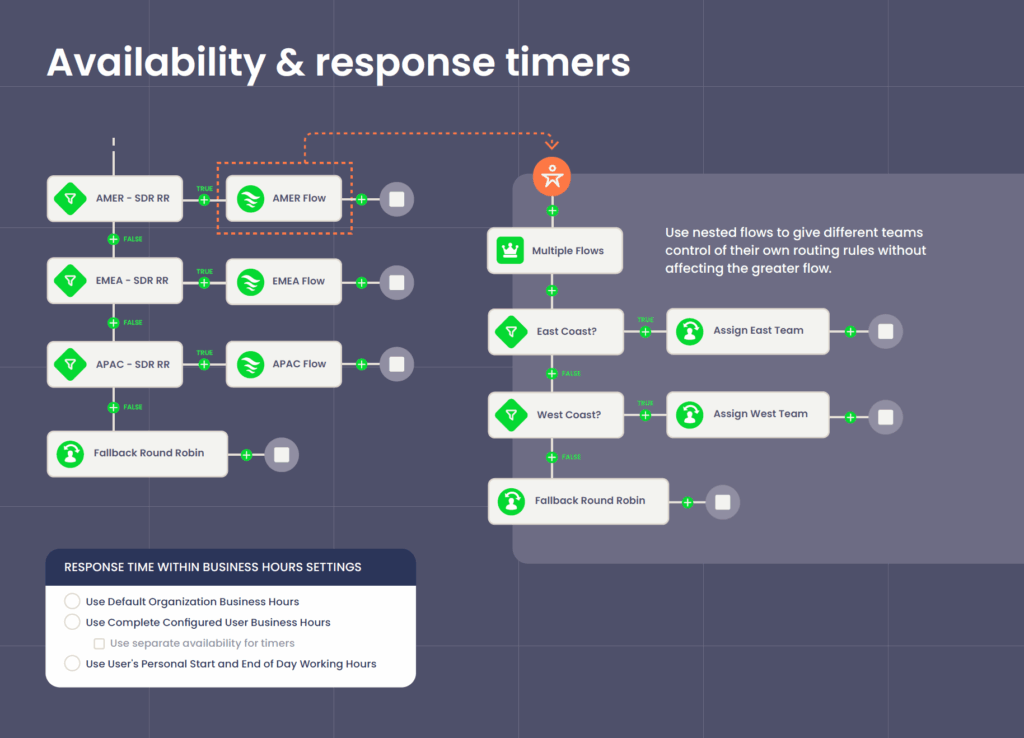
Traction Complete helps teams see and manage relationships between companies, subsidiaries, contacts, and opportunities.
Key Features: Automated account hierarchies, lead and contact matching, routing workflows, data cleaning, influence mapping, and Salesforce-native governance.
Best For: ABM-heavy teams, enterprise sales organizations, and companies with complex account families.
G2Crowd Profile: See latest Traction Complete reviews on G2.
Pros: Strong hierarchy management, good ABM reporting fit, useful routing depth, and Salesforce-first design.
Cons: Requires process documentation, canvas workflows have a learning curve, and Salesforce-first teams benefit most.
Why we picked Traction Complete: Many B2B stacks fail at the account hierarchy level. Traction Complete helps teams make hierarchies operational.
7) Cloudingo — Admin-friendly Salesforce deduplication
Deep Dive: Cloudingo helps Salesforce admins and MOPs teams find, review, merge, and manage duplicate records.
It is a practical tool for organizations with CRM data debt.
Teams can preview merges, define match rules, and schedule cleanup jobs.
That makes it easier to move from one-off Excel fixes to a repeatable hygiene process.
Key Features: Custom duplicate rules, fuzzy matching, bulk merge previews, scheduled cleanup jobs, and data hygiene reporting.
Best For: Admin-led teams that need safer deduplication and regular Salesforce cleanup without custom development.
G2Crowd Profile: See latest Cloudingo reviews on G2.
Pros: Approachable UI, safe merge previews, good for ongoing hygiene, and useful before routing or attribution projects.
Cons: Not a full data orchestration tool, governance still depends on process, and complex cases need admin review.
Why we picked Cloudingo: Duplicates weaken almost every marketing operations process. Cloudingo gives teams a practical way to clean up Salesforce.

Turn lead and account intent into pipeline
See how SalesWings helps sales, marketing and AI teams spot real intent and decide the next-best action for every lead and account.
Secondary Salesforce ISV Picks
8) Chili Piper — Instant inbound scheduling and handoff
Chili Piper helps teams qualify, route, and schedule inbound meetings quickly.
It connects forms, calendars, Salesforce ownership logic, and rep availability.
For marketing operations, this is a direct way to reduce friction between a high-intent form fill and a booked meeting.
Best For: Teams that want to convert more inbound demand into booked meetings.
G2Crowd Profile: See latest Chili Piper reviews on G2.

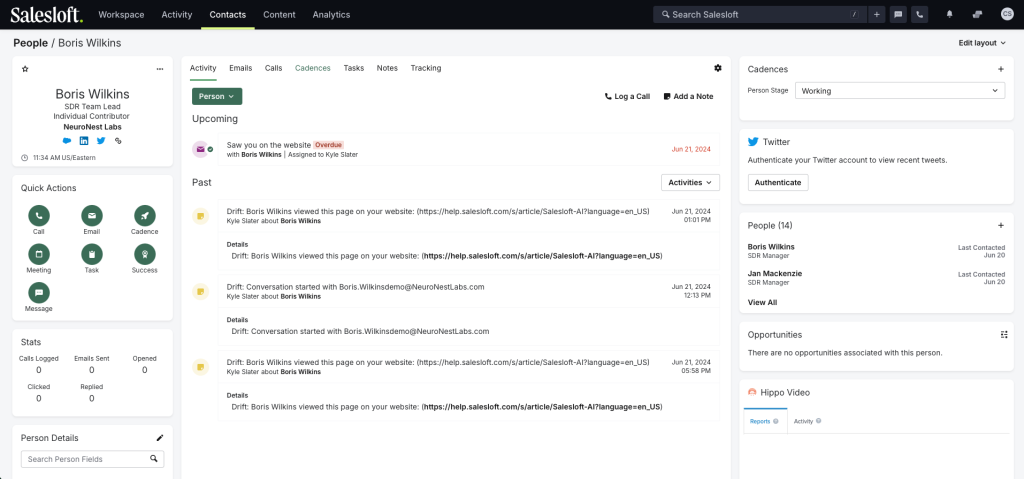
9) Drift by Salesloft — Conversational engagement and inbound acceleration
Drift by Salesloft helps teams engage website visitors through chat, bots, and meeting flows.
For MOPs, it can turn high-intent traffic into qualified conversations.
Keep the flows short. Connect reporting to Salesforce. Review performance often.
Best For: Teams with meaningful website traffic and a clear inbound sales motion.
G2Crowd Profile: See latest Drift reviews on G2.
10) Openprise — RevOps data orchestration and automation

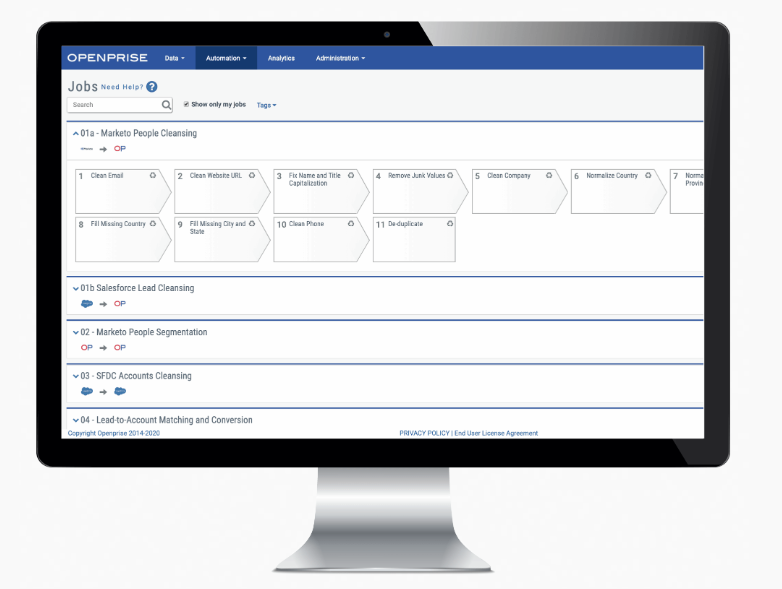
Openprise is built for data-heavy GTM operations.
It helps teams normalize, enrich, route, segment, clean, and automate data across Salesforce and connected systems.
For MOPs, it becomes valuable when native tools and one-off scripts are no longer enough.
Best For: Ops-heavy teams with large data volumes, complex enrichment rules, and strong governance needs.
G2Crowd Profile: See latest Openprise reviews on G2.
11) Validity DemandTools — Salesforce data operations toolkit
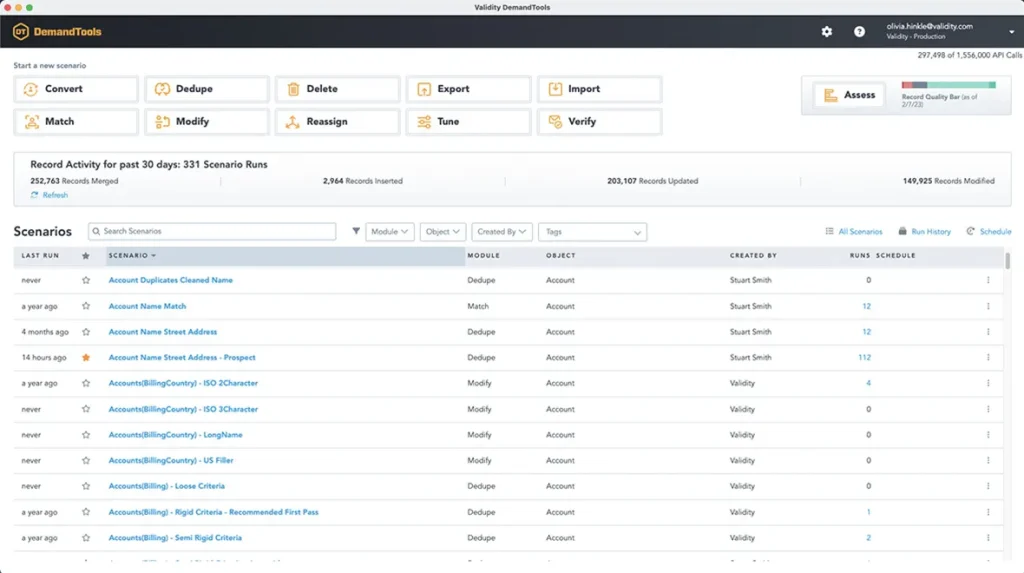
DemandTools is a long-standing Salesforce data operations tool.
It helps admins and MOPs teams manage bulk updates, deduplication, imports, exports, transformations, and cleanup work.
It is especially useful during migrations, event list imports, campaign cleanup, and quarterly hygiene projects.
Best For: Salesforce admins and power users who manage large-scale CRM data changes.
G2Crowd Profile: See latest DemandTools reviews on G2.
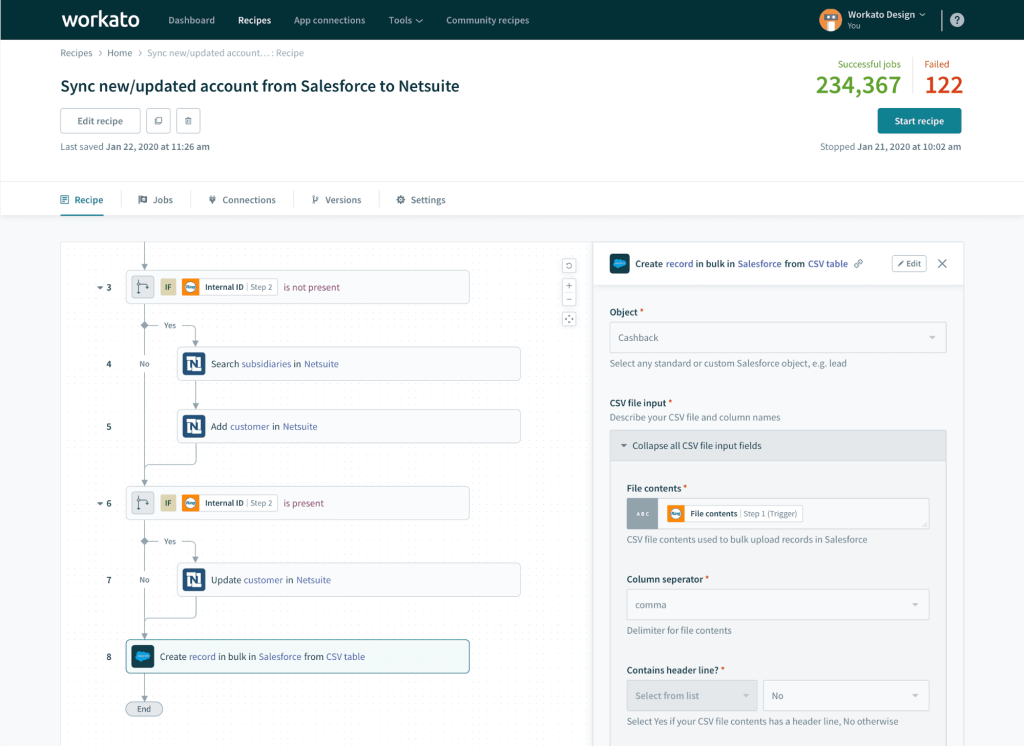
12) Workato — iPaaS and automation for RevOps

Workato helps teams connect Salesforce with marketing automation, product systems, data warehouses, and other business tools.
Its low-code recipes support serious automation without requiring every workflow to be custom-built from scratch.
Best For: Teams that need governed automation between Salesforce and the rest of the revenue stack.
G2Crowd Profile: See latest Workato reviews on G2.
13) ZoomInfo — Enrichment for forms, routing, and segmentation

ZoomInfo helps B2B teams enrich Salesforce with company, contact, and firmographic data.
For marketing operations, enrichment can improve segmentation, routing, scoring, and form conversion.
The key is governance.
Decide which fields ZoomInfo can update. Define overwrite rules. Track enrichment changes.
Best For: B2B teams that need better firmographic and contact data for routing, ABM, and campaign targeting.
G2Crowd Profile: See latest ZoomInfo seller reviews on G2.

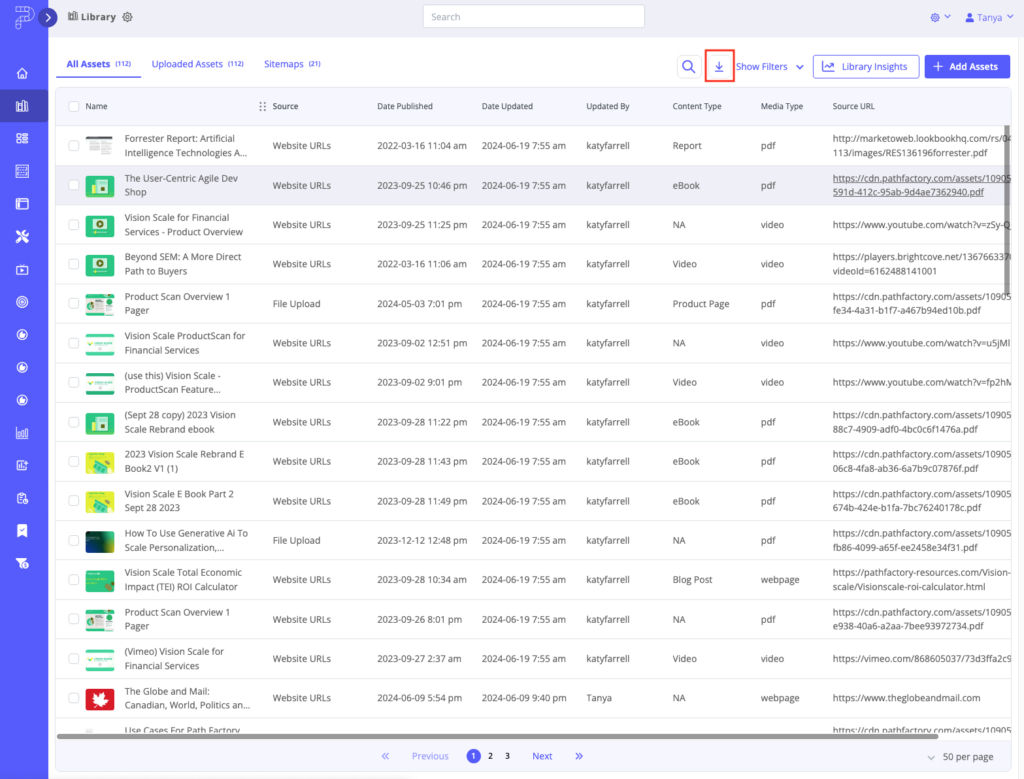
14) PathFactory — Content intelligence and buyer experiences

PathFactory helps teams understand which content buyers consume.
It also helps create content experiences that move prospects through the funnel.
For MOPs, the value is in the signal layer.
Content engagement can inform scoring, segmentation, sales follow-up, and ABM reporting.
Best For: Content-led B2B teams that want better insight into buyer engagement and content performance.
G2Crowd Profile: See latest PathFactory reviews on G2.
Comparison Table
| Rank | Tool | Main Use Case | Best For | Noteworthy |
|---|---|---|---|---|
| 1 | SalesWings | Behavioral intent, scoring, sales insights | Better MQL quality and sales prioritization | Salesforce-native buyer intelligence |
| 2 | LeanData | Lead-to-account matching and routing | Complex GTM teams | Visual graph and BookIt scheduling |
| 3 | FormAssembly | Secure Salesforce-connected forms | Compliance-heavy lead capture | Prefill, writeback, and object mapping |
| 4 | Plauti | Native data quality | Duplicate prevention and cleanup | Duplicate Check and Record Validation |
| 5 | Full Circle Insights | Attribution and funnel reporting | Salesforce-as-source-of-truth teams | CRM-native models and dashboards |
| 6 | Traction Complete | Hierarchies, matching, routing, clean data | Enterprise ABM teams | Hierarchy and influence mapping |
| 7 | Cloudingo | Deduplication | Admin-led hygiene programs | Safe previews and bulk merges |
| 8 | Chili Piper | Instant scheduling | High-intent inbound flows | Ownership-aware booking |
| 9 | Drift by Salesloft | Conversational engagement | Website conversion and inbound chat | Playbooks connected to sales motions |
| 10 | Openprise | Data orchestration | Ops-heavy stacks | Templates, recipes, and auditability |
| 11 | DemandTools | Bulk data operations | Admins and power users | Imports, dedupe, and transformations |
| 12 | Workato | Automation and iPaaS | IT and MOPs collaboration | Low-code recipes and connectors |
| 13 | ZoomInfo | Data enrichment | Segmentation and routing | Firmographic and contact enrichment |
| 14 | PathFactory | Content intelligence | Content-led ABM motions | Playlists and content engagement signals |
Buyer’s Guide: How to choose the right Salesforce ISV tools
Start with the problem that blocks revenue flow.
Do not start with the flashiest product.
Use this sequence
- Fix data quality first.
- Add behavioral intelligence and scoring.
- Improve routing and speed-to-lead.
- Clean up forms and intake sources.
- Standardize attribution and reporting.
- Layer in enrichment and automation.
Selection criteria for MOPs leaders
- Does it improve a revenue KPI?
- Does it integrate cleanly with Salesforce?
- Can admins operate it without heroics?
- Is the logic explainable?
- Does it support your GTM model?
- Does it reduce manual work?
- Will sales actually use the output?
Common pitfalls
- Buying overlapping tools that fight for field ownership.
- Skipping governance before enrichment.
- Letting routing logic grow without documentation.
- Using scoring models sales does not trust.
- Ignoring form data quality.
- Building attribution before campaign taxonomy is ready.
- Assuming tools will fix unclear process.
Conclusion: Build a Salesforce ISV stack that sales will actually use
The best Salesforce ISV solutions do more than add features.
They improve how revenue teams work.
For marketing operations, the priority is clear.
Create cleaner data. Capture stronger intent. Route faster. Report with more confidence. Give sales teams useful context.
SalesWings is a strong place to start because it turns behavioral engagement into Salesforce-native buyer intelligence.
From there, tools like LeanData, FormAssembly, Plauti, Full Circle Insights, and Traction Complete can strengthen the rest of the operating model.
The winning stack is not the biggest stack.
It is the clearest one.
FAQs
What are the best Salesforce ISV solutions marketing operations teams should prioritize in 2026?
Start with tools that improve buyer intent, data quality, routing, and reporting.
SalesWings, LeanData, FormAssembly, Plauti, and Full Circle Insights are strong first shortlist options.
Why is SalesWings ranked number one?
SalesWings focuses on a core 2026 marketing operations need: turning behavioral data into actionable buyer intent inside Salesforce.
This helps improve MQL quality, account prioritization, segmentation, and sales follow-up.
What is the minimum viable Salesforce ISV stack for a lean MOPs team?
A lean stack could include SalesWings for intent and scoring, Plauti or Cloudingo for data quality, FormAssembly for forms, and LeanData or Traction Complete for routing.
Add attribution, enrichment, and automation later.
How do I estimate ROI for routing tools?
Model the impact of faster response times, more meetings booked, better owner assignment, and higher conversion from MQL to SQL.
Do forms platforms really impact Salesforce data quality?
Yes.
Forms often create the first CRM record.
A governed form platform can reduce duplicates, improve field accuracy, and make routing and attribution more reliable.
What is the difference between LeanData and Traction Complete?
Both support matching and routing.
LeanData is especially strong for graph-based routing and speed-to-lead workflows.
Traction Complete is especially strong for account hierarchies, buying groups, and ABM reporting.
Where should attribution live?
For Salesforce-driven organizations, CRM-native attribution is often easier to reconcile with sales and finance reporting.
That is why tools like Full Circle Insights are popular with Salesforce-first teams.
How do I prevent multiple tools from overwriting fields?
Create a field governance matrix.
Define the system of record for each field.
Set update precedence.
Limit write access where needed.
Are these Salesforce ISV tools suitable for regulated industries?
Many offer enterprise security features, audit logs, SSO, permissions, and compliance options.
Always validate requirements with your security, legal, and procurement teams before buying.
Further reading
- SalesWings — learn how behavioral intent improves Salesforce lead and account intelligence
- Salesforce lead scoring integration — improve prioritization and lead quality
- Salesforce B2B marketing attribution — connect marketing activity to revenue outcomes
- LeanData resources — routing and revenue orchestration best practices
- FormAssembly resources — secure forms and Salesforce data governance
- Full Circle Insights resources — attribution and funnel analytics in Salesforce
- SalesWings on LinkedIn — product updates and ops tips
Turn lead and account intent into pipeline
See how SalesWings helps sales, marketing and AI teams spot real intent and decide the next-best action for every lead and account.
